Zero Trust Architecture: Beyond the Perimeter
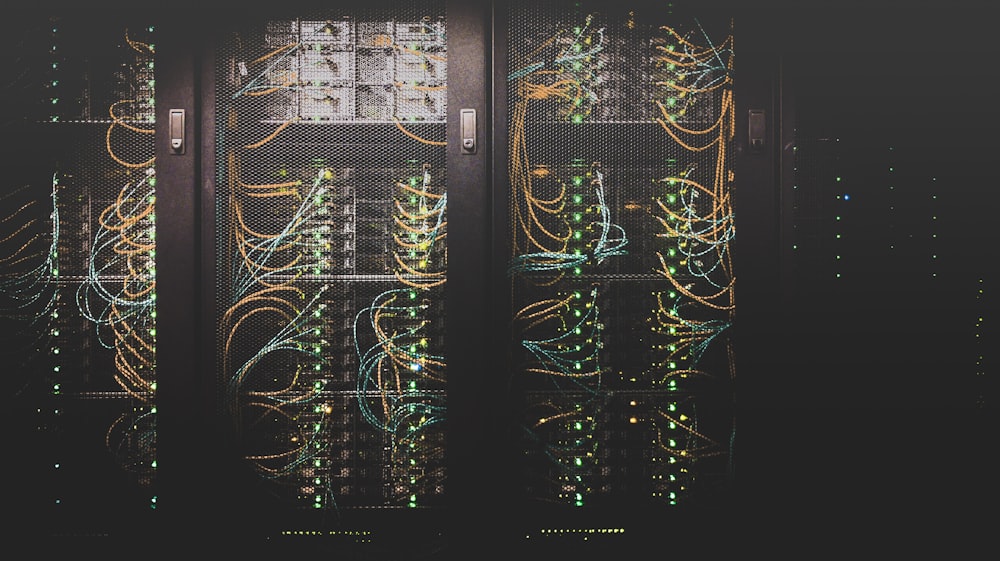
The traditional 'castle-and-moat' approach to cybersecurity, where organizations focus on defending their perimeter while trusting everyone inside, is no longer adequate in today's complex threat landscape. Zero Trust Architecture (ZTA) has emerged as a more effective security model based on the principle of 'never trust, always verify.'
In a Zero Trust model, trust is never implicitly granted to users or systems based on their location (inside or outside the corporate network). Instead, verification is required from everyone trying to access resources, regardless of their position relative to the network perimeter.
The core principles of Zero Trust include verifying explicitly, using least privilege access, and assuming breach. This means authenticating and authorizing based on all available data points, limiting user access with Just-In-Time and Just-Enough-Access, and minimizing the blast radius and segment access.
Implementing Zero Trust requires a comprehensive approach that includes strong identity management, microsegmentation, and continuous monitoring. Identity and access management (IAM) systems are the foundation, ensuring that the right individuals have access to the right resources at the right times for the right reasons.
Microsegmentation involves dividing the network into secure zones to maintain separate access for different parts of the network. This helps contain breaches and prevent lateral movement by threat actors within the network.
Continuous monitoring and validation are essential components of Zero Trust. By collecting and analyzing data from various sources, organizations can detect anomalies and potential threats in real-time, enabling rapid response to security incidents.
While transitioning to a Zero Trust model can be challenging, organizations can adopt an incremental approach, starting with critical applications and data. The benefits of improved security posture, reduced risk of data breaches, and enhanced compliance capabilities make it a worthwhile investment for modern enterprises.
As cyber threats continue to evolve, Zero Trust Architecture provides a robust framework for protecting sensitive data and systems in today's dynamic and distributed IT environments.